
Not every episode of back pain is caused by a muscle strain. When pain persists, radiates down your arm or leg, or is accompanied by numbness or weakness, it could indicate a herniated disc, a condition that compresses the spinal nerves. Left untreated, a herniated disc can interfere with daily activities, reduce mobility, and, in severe cases, lead to permanent nerve damage.
Recognising the early warning signs and seeking timely medical attention can help prevent complications, relieve symptoms, and improve long-term recovery.
What is a Herniated Disc?
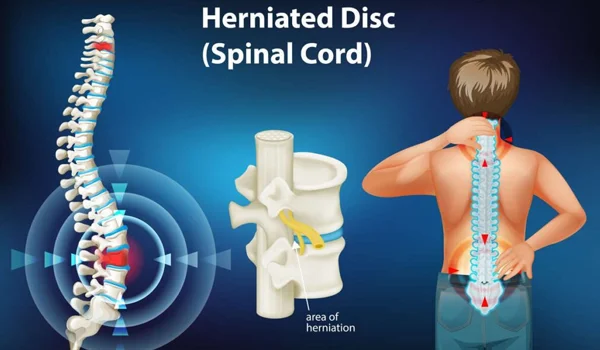
The spine is made up of a series of bones called vertebrae, which are separated by soft, cushion-like discs that absorb shock and allow flexibility during movement. A herniated disc, sometimes referred to as a slipped or ruptured disc, occurs when the soft inner portion of a spinal disc pushes through a tear in its tougher outer layer.
When this displaced disc material presses against nearby spinal nerves, it can cause pain, numbness, tingling, or muscle weakness, depending on the location and severity of the compression.
Individuals experiencing persistent symptoms may benefit from consulting a spine specialist for Herniated Disc Treatment in Bangalore, where advanced diagnostic techniques and personalised treatment options are available to manage the condition effectively.
Early signs you should not ignore
Persistent Back or Neck Pain
One of the earliest signs of a herniated disc is persistent pain in the lower back or neck that does not improve with adequate rest. Unlike a simple muscle strain, the discomfort often lasts for several weeks and may worsen with prolonged sitting, bending, lifting heavy objects, or sudden movements.
Pain That Radiates to the Arms or Legs
A herniated disc can compress nearby spinal nerves, causing pain that radiates beyond the spine. A lumbar disc herniation commonly causes pain that travels down the buttock and leg, a condition known as sciatica. A cervical disc herniation, on the other hand, may cause pain that spreads to the shoulder, arm, or hand.
Numbness or Tingling
Many individuals experience numbness or a tingling sensation in the areas supplied by the affected nerve. These symptoms may initially appear intermittently but often become more frequent if nerve compression continues.
Muscle Weakness
Weakness affecting the arms, hands, legs, or feet may make routine activities more difficult. You may notice difficulty lifting objects, climbing stairs, maintaining balance, or gripping everyday items. Muscle weakness should never be ignored, as prolonged nerve compression can sometimes result in permanent nerve damage.
Increased Pain While Coughing or Sneezing
Activities such as coughing, sneezing, or straining temporarily increase pressure within the spinal canal. If these actions consistently worsen your back pain or leg pain, they may indicate irritation of a spinal nerve caused by a herniated disc.
Common Causes and Risk Factors
Several factors can increase the likelihood of developing a herniated disc, including:
- Age-related degeneration of the spinal discs
- Improper lifting techniques
- Obesity or excess body weight
- Repetitive bending, twisting, or heavy physical work
- A sedentary lifestyle
- Smoking
- Previous spinal injuries
Maintaining a healthy weight, strengthening your core muscles, practising good posture, and using proper lifting techniques can help reduce the risk of disc-related problems.
How is a Herniated Disc diagnosed?
Diagnosis begins with a detailed discussion of your symptoms, followed by a physical examination to evaluate muscle strength, reflexes, sensation, and range of motion.
If a herniated disc is suspected, imaging investigations such as an MRI scan are usually recommended because they provide detailed images of the spinal discs and nerves. In certain situations, CT scans or nerve conduction studies may also be advised to assess the extent of nerve involvement.
Early diagnosis allows treatment to begin before symptoms worsen or permanent nerve damage develops.
Treatment Options
Most people with a herniated disc improve without surgery. Treatment is usually tailored to the severity of symptoms and may include:
- Activity modification
- Pain-relieving medications
- Anti-inflammatory medications
- Physiotherapy
- Guided stretching and strengthening exercises
- Epidural steroid injections in selected cases
Surgery is generally recommended only when conservative treatment fails to relieve symptoms after an appropriate period or when significant nerve compression causes severe muscle weakness, progressive neurological deficits, or loss of bladder or bowel control. When surgery is required, minimally invasive techniques may be considered depending on the patient’s condition.
When Should You See a Specialist?
Seek medical attention promptly if you experience:
- Severe or worsening back or neck pain
- Pain radiating into the arms or legs
- Persistent numbness or tingling
- Muscle weakness
- Difficulty walking or maintaining balance
- Loss of bladder or bowel control, which is a medical emergency
Early intervention can help relieve symptoms, prevent complications, and improve long-term outcomes.
Choosing the Right Orthopaedic Care
Managing a herniated disc requires an accurate diagnosis, experienced spine specialists, and a personalised treatment approach. If you are looking for a trusted Orthopaedic Hospital in Bangalore, SPARSH Hospital offers comprehensive spine care, advanced diagnostic imaging, minimally invasive treatment options, structured rehabilitation programmes, and patient-centred care to help restore mobility and improve quality of life.
Conclusion
Although back pain is common, persistent pain that radiates to the arms or legs, numbness, tingling, or muscle weakness should never be dismissed as a normal part of ageing or everyday strain. These symptoms may indicate a herniated disc that requires prompt medical evaluation.
Early diagnosis and timely treatment can relieve pain, prevent long-term nerve damage, and help restore normal function. Whether treatment involves physiotherapy, medication, or surgery, consulting an experienced spine specialist at the earliest opportunity offers the best chance of a successful recovery and long-term spinal health.