
Imagine paying insurance premiums for years and then discovering that your claim has been rejected when you actually need financial support. Unfortunately, this situation is more common in India than most people think.
Whether it is health insurance, car insurance, life insurance, or travel insurance, claim rejection can create stress during already difficult times. Many policyholders assume that buying insurance guarantees payout, but insurance companies follow strict rules, documentation standards, and policy conditions.
In 2026, insurance awareness in India has improved significantly, yet thousands of claims still get rejected because of avoidable mistakes. The good news is that most rejections happen due to lack of awareness rather than fraud.
This guide explains the most common insurance claim rejection reasons in India, how to avoid them, and what you should do if your claim gets denied.
Why Insurance Claims Get Rejected in India
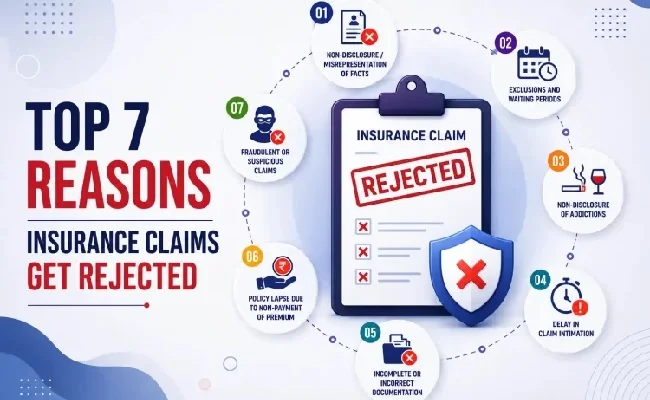
Insurance works on trust and legal agreements. When a policyholder fails to follow policy terms or hides information, insurers may reject the claim.
Here are the major reasons:
- Incorrect information in the proposal form
- Non-disclosure of medical history
- Expired policy due to non-payment
- Filing claims outside policy coverage
- Delayed claim intimation
- Fake or incomplete documents
- Violating policy conditions
The rejection rules vary depending on the type of insurance.
Common Insurance Claim Rejection Reasons
- Non-Disclosure of Important Information
This is one of the biggest reasons for claim rejection in India.
Example:
If a person hides diabetes or smoking habits while buying health or life insurance, the insurer may reject the claim later.
Insurance companies now use digital medical records and AI-based verification systems in 2026, making it easier to identify hidden information.
Commonly Hidden Details
- Existing illnesses
- Smoking or alcohol habits
- Previous surgeries
- Occupation risks
- Earlier insurance rejections
Tip:
Always provide honest information while filling the proposal form.
- Policy Lapse Due to Unpaid Premiums
Many people forget premium due dates. If the policy becomes inactive, claims are usually rejected.
Common Cases
| Insurance Type | Impact of Policy Lapse |
| Health Insurance | No hospitalization coverage |
| Term Insurance | Family receives no death benefit |
| Car Insurance | Own damage claims rejected |
| Bike Insurance | Theft and accident claims denied |
How to Avoid It
- Enable auto-debit
- Set renewal reminders
- Renew before grace period ends
- Claim Filed During Waiting Period
Health insurance plans in India often include waiting periods.
Types of Waiting Periods
- Initial waiting period (30 days)
- Pre-existing disease waiting period (2–4 years)
- Specific disease waiting period
Example:
If someone buys health insurance and undergoes surgery within the first month, the insurer may reject the claim unless it is an accident.
- Exclusions Mentioned in the Policy
Every insurance policy contains exclusions.
Many policyholders never read them carefully.
Common Health Insurance Exclusions
- Cosmetic surgery
- Dental treatment
- Fertility treatment
- Self-inflicted injuries
- Non-allopathic treatment (in some policies)
Common Car Insurance Exclusions
- Drunk driving
- Driving without licence
- Mechanical breakdown
- Consequential damage
- Delay in Claim Intimation
Insurance companies require immediate reporting after incidents.
Standard Timelines in India
| Insurance Type | Ideal Reporting Time |
| Car Accident | Within 24–48 hours |
| Health Insurance | Within 24 hours of hospitalization |
| Theft Claim | Immediate FIR + insurer notification |
| Life Insurance | As early as possible |
Late reporting can raise suspicion and may result in rejection.
- Incomplete or Fake Documents
Documentation errors are extremely common.
Frequently Missing Documents
- Hospital discharge summary
- Original bills
- FIR copy
- Driving licence
- Death certificate
- Policy copy
Important:
Submitting manipulated or fake documents can permanently blacklist the policyholder.
- Claim Beyond Sum Insured
Some people assume insurance covers every expense.
If your medical bill exceeds the insured amount, the insurer only pays up to the policy limit.
Example:
If your health policy covers ₹5 lakh and hospital expenses reach ₹7 lakh, you must pay the extra ₹2 lakh yourself.
- Drunk Driving or Illegal Activities
Motor insurance claims are often rejected due to policy violations.
Common Violations
- Drunk driving
- Overspeeding
- Driving without valid licence
- Using private vehicle commercially
Insurance companies now use traffic camera data and digital police records for investigation.
- No Insurable Interest
In life insurance, the proposer must have a valid financial relationship with the insured person.
Example:
A stranger cannot buy a large insurance policy on another unrelated person.
- Fraudulent Claims
Fraud detection systems have become stronger in India in 2026.
Insurance companies use:
- AI claim verification
- Hospital fraud analytics
- GPS vehicle tracking
- Aadhaar-linked verification
Fake hospitalization or staged accidents can lead to claim rejection and legal action.
Key Features of a Successful Insurance Claim
What Improves Claim Approval Chances
- Accurate policy information
- Timely premium payment
- Immediate claim reporting
- Complete documentation
- Understanding exclusions
- Buying adequate coverage
- Choosing reputed insurers
Step-by-Step Insurance Claim Process in India
Health Insurance Claim Process
Cashless Claim
- Visit network hospital
- Show health insurance card
- Fill pre-authorization form
- Insurer approval process starts
- Hospital settles bill directly
Reimbursement Claim
- Pay hospital bills
- Collect all documents
- Submit claim form
- Insurer verifies documents
- Reimbursement credited
Motor Insurance Claim Process
- Inform insurer immediately
- Take photos/videos
- File FIR if required
- Surveyor inspection
- Repair approval
- Claim settlement
Documents Required for Insurance Claims
Health Insurance
- Health card
- Aadhaar/PAN
- Hospital bills
- Doctor prescription
- Discharge summary
- Diagnostic reports
Car Insurance
- RC copy
- Driving licence
- FIR (if required)
- Photos of damage
- Claim form
Life Insurance
- Death certificate
- Policy documents
- Identity proof
- Medical records
- Nominee bank details
Charges, Deductions & Costs Involved
Common Insurance Deductions
| Type | Possible Deduction |
| Health Insurance | Co-payment |
| Motor Insurance | Depreciation |
| Life Insurance | Loan adjustment |
| Travel Insurance | Deductibles |
Example:
In motor insurance, plastic and fibre parts often face depreciation deductions unless zero depreciation cover is added.
Pros and Cons of Insurance Claim Systems
Pros
- Financial protection during emergencies
- Cashless hospitalization available
- Fast digital claims in 2026
- Mobile app-based tracking
- Better fraud protection
Cons
- Complex policy wording
- Long verification in some cases
- Hidden exclusions
- Delayed settlements
- High rejection due to mistakes
Common Mistakes to Avoid
Avoid These Errors
- Hiding medical history
- Ignoring policy wording
- Missing renewal dates
- Delayed claim filing
- Not reading exclusions
- Choosing low coverage
- Throwing away bills and receipts
Best Tips from Insurance Experts
Smart Insurance Advice for Indians
- Read the Policy Carefully
Never rely only on sales pitches.
- Buy Insurance Early
Premiums are cheaper at younger ages.
- Choose High Claim Settlement Ratio
Prefer insurers with strong claim records.
- Keep Digital Copies
Store documents on Google Drive or DigiLocker.
- Inform Family Members
Nominees should know policy details.
- Use Network Hospitals
Cashless treatment reduces documentation hassles.
Who Should Be Extra Careful About Claim Rejections?
High-Risk Groups
- Senior citizens
- First-time insurance buyers
- People with pre-existing diseases
- Frequent travelers
- Owners of luxury cars
- Self-employed individuals
Best Insurance Practices in India (2026)
| Area | Best Practice |
| Health Insurance | Buy family floater + super top-up |
| Motor Insurance | Add zero depreciation cover |
| Life Insurance | Choose adequate term coverage |
| Documentation | Store digital backups |
| Claim Filing | Inform insurer immediately |
Latest Insurance Claim Trends in India (2026)
The Indian insurance industry has become more digital and data-driven.
Key Trends
AI-Based Claim Processing
Insurers now process many simple claims within hours.
Video Verification
Video KYC and remote inspections are common.
Faster Health Claims
Many hospitals offer instant cashless approvals.
Fraud Detection Increase
Advanced analytics identify suspicious claims quickly.
Paperless Insurance
Most insurers now support app-based claims.
FAQs on Insurance Claim Rejections
Q: Can insurance claims be rejected after approval?
A: Yes, if fraud or incorrect information is discovered later.
Q: What should I do if my claim is rejected?
A: First, ask for a written rejection reason. Then file a grievance with the insurer or approach the Insurance Ombudsman.
Q: Does smoking affect insurance claims?
A: Yes. If smoking habits were hidden during policy purchase, claims may be rejected.
Q: How long does claim settlement take in India?
A: Health claims usually take 7–30 days depending on the insurer and documents.
Q: Can a lapsed insurance policy be revived?
A: Yes, many policies can be revived within a specified period after paying pending premiums and penalties.
Q: Which insurance claims are rejected most in India?
A: Health and motor insurance claims face the highest rejection rates due to documentation issues and policy exclusions.
Conclusion
Insurance is meant to provide peace of mind, but claim rejection can turn emergencies into financial disasters. The biggest mistake most Indians make is buying insurance without understanding the terms properly.
The good news is that most claim rejections are preventable. Honest disclosure, timely premium payments, proper documentation, and understanding exclusions can significantly improve your chances of smooth claim settlement.
Before buying any insurance policy in 2026, focus not only on premium cost but also on claim process quality, customer support, and policy transparency. A cheaper policy may not always offer better protection when you actually need it.
Take a little extra time today to understand your insurance policy properly — it can save lakhs of rupees and unnecessary stress in the future.