
A cheque bounce can be stressful, especially when money is involved and you are unsure about what to do next. In India, a bounced cheque can have financial as well as legal consequences depending on the reason for dishonour and the circumstances of the transaction. The good news is that there is a defined process for dealing with cheque bounce cases. Understanding the steps, documents, deadlines and available options can help you handle the situation properly.
What Does Cheque Bounce Mean?
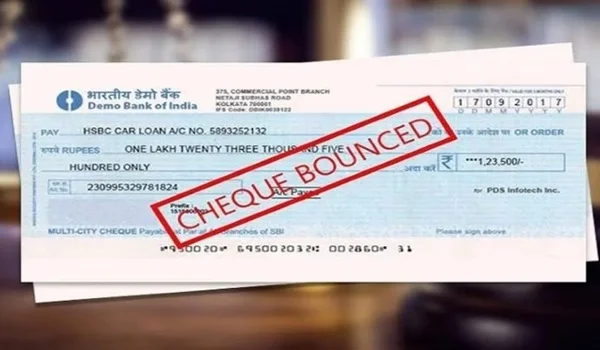
A cheque bounces when the bank refuses to make the payment mentioned on the cheque and returns it unpaid. The bank generally provides a cheque return memo stating the reason for the dishonour.
Common reasons include:
- Insufficient balance in the account
- Signature mismatch
- Payment stopped by the account holder
- Account closed
- Incorrect cheque details
- Difference in amount or words and figures
- Cheque presented after its validity period
- Technical or banking issues
Not every bounced cheque automatically results in criminal action. The circumstances and reason for dishonour are important.
What Is Section 138 of the Negotiable Instruments Act?
Section 138 of the Negotiable Instruments Act, 1881 deals with certain cheque dishonour situations. It can apply when a cheque was issued towards a legally enforceable debt or liability and the required legal conditions are satisfied.
If the cheque is dishonoured for reasons covered by the law and the drawer does not make payment after receiving the required notice, the payee may take legal action.
The law provides specific deadlines, so delaying action can create problems.
What Should You Do Immediately After a Cheque Bounces?
The first step is to collect all the relevant documents.
You should keep:
- The original cheque
- Bank return memo
- Bank statement showing the transaction, where relevant
- Copy of the cheque
- Details of the person or business that issued the cheque
- Invoices, agreements or receipts related to the transaction
- Messages or correspondence regarding the payment
- Proof showing that money was actually due
The bank return memo is particularly important because it records the reason for the cheque being returned unpaid.
Check the Reason for the Cheque Bounce
Do not immediately assume that the other person has deliberately refused to pay.
First, check the reason mentioned in the bank return memo. A cheque may bounce because of a simple technical problem, insufficient funds, an incorrect signature or other banking issue.
In some cases, the issuer may be willing to correct the problem and make the payment through another cheque, bank transfer or another agreed method.
However, if the cheque represented an unpaid debt and the issuer is refusing to make payment, you may need to consider the legal process.
Can You Present the Cheque Again?
In many situations, a cheque can be presented again if it remains valid and the circumstances permit it.
For example, if the cheque bounced because of insufficient funds and the issuer asks you to deposit it again after arranging the money, you may consider doing so.
However, keep proper records of every presentation and every bank return. If the matter eventually becomes a legal dispute, these records can become important.
Send a Legal Notice When Required
If the cheque dishonour falls within the requirements of Section 138, the payee generally needs to send a written demand notice within the prescribed period after receiving information about the cheque being dishonoured.
The notice should clearly state the cheque details and demand payment of the cheque amount.
Because the time limit is important, it is advisable to consult a qualified lawyer promptly instead of waiting until the deadline is close.
What Happens After the Legal Notice?
After receiving the statutory notice, the cheque issuer gets a specified period to make payment.
Under Section 138, the drawer generally has 15 days from receipt of the notice to make the payment of the cheque amount.
If the payment is made within this period, the Section 138 offence does not arise on that dishonour in the usual manner.
If the payment is not made within the prescribed period, the payee may proceed with a cheque bounce complaint, subject to the applicable legal requirements and limitation period.
Important Cheque Bounce Deadlines
Cheque bounce cases are highly time-sensitive.
A commonly applicable sequence is:
Cheque dishonoured → bank return memo received → statutory notice within the prescribed 30-day period → 15-day payment period after receipt of notice → complaint within the prescribed limitation period after the cause of action arises.
These deadlines should not be treated casually. The exact calculation can depend on the dates and circumstances of the case.
What If You Receive a Cheque Bounce Notice?
If you are the person who issued the cheque and have received a legal notice, do not ignore it.
First, check:
- Whether you actually issued the cheque
- The amount mentioned in the notice
- The reason for dishonour
- Whether the underlying payment was already made
- Whether the cheque was issued as security
- Whether the cheque was lost or misused
- Whether there is a genuine dispute regarding the debt
- The date on which you received the notice
If money is genuinely payable, making payment within the applicable period may help avoid further legal complications.
If you believe the claim is incorrect, speak to a lawyer and consider sending an appropriate written response.
What If the Cheque Was Issued as a Security Cheque?
Security cheques can create complicated legal situations.
Simply describing a cheque as a “security cheque” does not automatically decide the outcome. The court may examine why the cheque was issued, whether a legally enforceable liability existed when the cheque was presented and what the surrounding facts show.
Therefore, both the issuer and the recipient should maintain proper records relating to the transaction.
What Documents Are Important in a Cheque Bounce Case?
Documentation can make a major difference.
Depending on the circumstances, useful documents may include:
- Original cheque
- Bank return memo
- Bank statements
- Legal notice
- Postal or delivery proof
- Loan agreement
- Invoice
- Sale or service agreement
- Payment receipts
- Account statements
- Relevant messages and emails
- Written acknowledgement of debt
Keep original documents safely and maintain copies for your records.
What Happens If the Case Goes to Court?
If the issuer does not make payment and the legal requirements are fulfilled, the payee may file a complaint before the appropriate court.
The court process can involve:
- Filing of the complaint
- Examination of documents
- Issuance of summons
- Appearance of the accused
- Evidence and arguments
- Settlement discussions, where applicable
- Decision by the court
The exact procedure can vary according to the facts of the case and applicable court rules.
Can a Cheque Bounce Case Be Settled?
Yes, cheque bounce disputes can often be settled between the parties.
The parties may agree on payment of the cheque amount and, depending on the circumstances, additional interest or costs.
A written settlement is preferable to relying only on verbal promises. The settlement should clearly mention the amount paid, payment dates and what happens to the pending legal proceedings.
What If the Other Person Keeps Promising Payment?
One common mistake is repeatedly waiting because the cheque issuer keeps promising to pay “next week” or “after a few days.”
While negotiation can be useful, do not allow repeated promises to make you miss statutory deadlines.
If you intend to take legal action, keep track of the cheque return date and other important dates from the beginning.
Common Mistakes to Avoid After a Cheque Bounces
Avoid these mistakes:
Ignoring the Bank Return Memo
The return memo contains important information about why the cheque was dishonoured.
Waiting Too Long
Cheque bounce law has strict timelines. Delay can affect your legal remedy.
Losing the Original Cheque
Keep the original cheque and important banking documents safely.
Relying Only on Phone Conversations
Important payment discussions should preferably be documented.
Sending an Improper Notice
A cheque bounce notice needs to comply with the applicable legal requirements. Professional legal assistance can help reduce drafting mistakes.
Ignoring a Legal Notice
If you receive a notice, do not simply put it aside. Take timely legal advice.
How to Protect Yourself From Cheque Bounce Problems
Whether you are issuing or receiving a cheque, maintain proper records.
Before issuing a cheque, ensure that sufficient funds are available and that the cheque details are correct.
If you are receiving a cheque against a loan, sale, service or business transaction, maintain documents proving the underlying transaction.
Digital payment records, invoices, agreements and written acknowledgements can also help establish the background of the transaction.
Is Cheque Bounce a Criminal Offence in India?
Under certain circumstances, cheque dishonour can attract criminal liability under Section 138 of the Negotiable Instruments Act.
The law can provide punishment including imprisonment and/or fine when the statutory requirements are satisfied. However, a bounced cheque does not automatically mean that the issuer is guilty. The legal conditions must be established and the case must follow the prescribed procedure.
Final Thoughts
If your cheque bounces in India, the most important things are quick action, proper documentation and awareness of legal deadlines. Start by collecting the cheque and bank return memo and understanding the reason for dishonour.
If the payment is still due and the matter falls within the scope of Section 138, a statutory legal notice may need to be sent within the prescribed period. The cheque issuer should also take any legal notice seriously and respond or make payment within the applicable timeframe.
Because cheque bounce cases involve strict legal requirements, getting advice from a qualified lawyer can be especially useful when the amount involved is significant or there is a dispute about the underlying debt.