
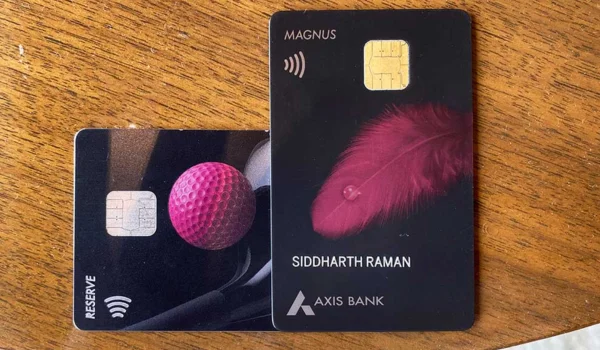
The Axis Bank Magnus Credit Card was once considered one of the most rewarding premium credit cards in India. However, over time, it has gone through major devaluation, meaning its benefits have been reduced or made harder to earn.
In this guide, we’ll clearly explain what the card is, how it works, what “devaluation” means, what changed, and whether it is still worth it today.
What is Axis Bank Magnus Credit Card?
The Axis Bank Magnus Credit Card is a super-premium credit card offered by Axis Bank.
It is designed for:
- High-income individuals
- Frequent travelers
- Big spenders
👉 Earlier, it was famous for:
- High reward rate
- Easy reward conversions
- Premium travel benefits
What Does “Devaluation” Mean?
In simple terms:
👉 Devaluation = reduction in benefits or increase in conditions
This can include:
- Lower reward earning rates
- Reduced reward value
- Higher spending requirements
- More restrictions
How Does Axis Bank Magnus Credit Card Work?
Before and after devaluation, the core working remains similar:
- Earn Reward Points
- Earn EDGE Reward Points on spending
- Higher rewards on premium categories
- Monthly Milestone Bonus (Earlier Highlight)
Previously:
- Spend ₹1 lakh/month → Get 25,000 bonus points
👉 This was the biggest attraction.
- Redeem Rewards
Points can be redeemed for:
- Travel bookings
- Gift vouchers
- Airline/hotel transfers
- Premium Benefits
- Lounge access
- Concierge services
- Lifestyle privileges
Key Benefits (Before Devaluation)
Let’s first understand why this card was so popular:
- Huge Monthly Bonus
- ₹1 lakh spend → 25,000 points
👉 This alone gave massive value.
- High Reward Conversion
- Transfer points to airlines/hotels at great rates
- Unlimited Lounge Access
- Domestic + international lounges
- Low Effective Cost
- Easy fee waiver
- High reward returns
What Changed After Devaluation?
Now let’s look at the important changes.
- Reduced Reward Value
Earlier:
- 1 point = high travel value
Now:
- Reduced conversion value
- Lower redemption benefits
- Monthly Bonus Made Difficult
Earlier:
- ₹1 lakh spend → 25,000 points
Now:
- Conditions changed or reduced value
- Bonus less attractive
- Transfer Ratio Cut
Airline/hotel transfer ratios were reduced, meaning:
👉 You get fewer miles for the same points
- Increased Spend Thresholds
- Higher spending required for similar benefits
- Harder to achieve maximum rewards
- Cap on Rewards
Earlier:
- No major caps
Now:
- Limits on monthly or category rewards
Fees and Charges
| Fee Type | Amount |
| Joining Fee | ₹10,000 + GST |
| Annual Fee | ₹10,000 + GST |
| Interest Rate | ~3.6%–3.75% per month |
| Cash Withdrawal | 2.5% (min ₹500) |
| Forex Markup | ~2% |
👉 This is a high-fee card, so benefits must justify the cost.
Eligibility Criteria
To apply:
- Age: 18–70 years
- High income (₹15–25 lakh+ annually recommended)
- Good credit score (750+)
- Existing relationship with Axis Bank helps
Documents Required
- PAN Card
- Aadhaar / Passport / Driving License
- Income proof (salary slips / ITR)
- Bank statements
Real-Life Examples
Example 1: Before Devaluation
Rohit spends ₹1 lakh/month:
- Gets 25,000 bonus points
- Converts to airline miles
- Books free flights
👉 Annual benefit: ₹1–2 lakh value
Example 2: After Devaluation
Same spending:
- Lower bonus or stricter conditions
- Reduced transfer value
👉 Annual benefit drops significantly
Example 3: Moderate Spender
Amit spends ₹50,000/month:
- Doesn’t hit milestones
- Earns limited rewards
👉 Card becomes expensive
Pros and Cons (After Devaluation)
👍 Pros
- Still a premium card
- Good lounge access
- Decent travel benefits
- Lower forex markup (useful for international travel)
👎 Cons
- Major reduction in rewards
- High annual fee
- Less attractive than before
- Not worth it for average users
Common Mistakes to Avoid
- Taking It Based on Old Reviews
Many online reviews are outdated (pre-devaluation).
- Not Tracking Spend Thresholds
Missing milestones reduces value drastically.
- Using It for Low Spending
This card is only for high spenders.
- Ignoring Alternative Cards
Other cards now offer better value in similar price range.
Useful Tips to Maximise Benefits
✔ Spend Strategically
Try to hit monthly/annual milestones if still beneficial.
✔ Use for Travel
Best value comes from travel redemption.
✔ Compare Before Renewing
Every year, check if the card still makes sense.
✔ Combine with Other Cards
Use:
- Magnus → for premium benefits
- Cashback card → for daily spending
✔ Track Reward Changes
Banks can change benefits anytime—stay updated.
Who Should Still Consider This Card?
Suitable For:
- High spenders (₹1 lakh+/month)
- Frequent international travelers
- Users who understand reward optimization
Not Suitable For:
- Beginners
- Low or moderate spenders
- Cashback-focused users
Alternatives to Consider
After devaluation, many users shifted to:
- Premium travel cards
- Cashback credit cards
- Co-branded airline cards
👉 Always compare before choosing.
FAQs
- What is Axis Magnus devaluation?
It means the reduction in rewards, benefits, and value of the card over time.
- Is Axis Magnus still worth it?
Only for high spenders who can maximise remaining benefits.
- Why do banks devalue cards?
To control costs and reduce excessive reward payouts.
- Should I cancel the card?
Depends on your usage. If benefits < fee, consider alternatives.
- Is it good for beginners?
No, it’s a premium card best suited for experienced users.
Final Conclusion
The Axis Bank Magnus Credit Card used to be one of the best premium credit cards in India, but after devaluation, its value has reduced significantly.
👉 If you:
- Spend heavily
- Travel frequently
- Can optimise rewards
It may still offer decent value.
👉 But if you:
- Spend less
- Prefer simple rewards
- Want guaranteed returns
You should explore other options.
Simple Rule:
👉 Earlier: Everyone wanted it
👉 Now: Only selective users benefit