
Life does not always follow a fixed financial plan. One unexpected medical bill, sudden job loss, bike repair, family emergency, or business slowdown can disturb your monthly budget completely. In such situations, many people in India depend on credit cards, loans, or borrowing money from relatives.
That is exactly why building an emergency fund has become one of the most important financial habits in 2026.
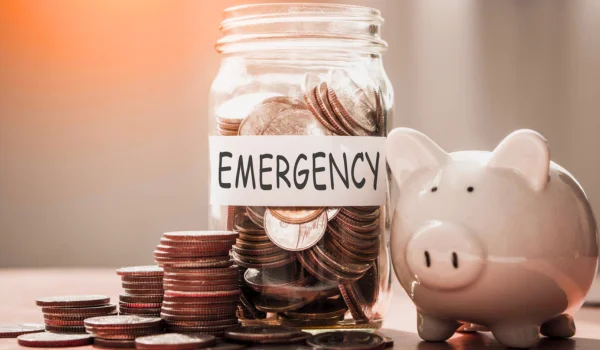
An emergency fund works like a financial safety net. It helps you handle difficult situations without taking unnecessary debt or breaking long-term investments. Whether you are a salaried employee, freelancer, student, homemaker, or business owner, having emergency savings gives peace of mind and financial stability.
This detailed guide explains how to make an emergency fund step-by-step, where to keep it, how much you need, and practical ways to build it faster in India.
What Is an Emergency Fund?
An emergency fund is money saved specifically for unexpected situations.
Examples of Financial Emergencies
- Medical expenses
- Sudden job loss
- Business losses
- Family emergencies
- Urgent travel
- Vehicle repair
- House maintenance
This money should only be used for genuine emergencies, not for shopping or vacations.
Why Emergency Fund Is Important in India
India’s financial environment is changing rapidly. Medical costs, education expenses, and living expenses are increasing every year.
Main Reasons to Build Emergency Fund
- Rising healthcare costs
- Job uncertainty in many sectors
- Growing EMI and loan burden
- Inflation impact on monthly expenses
- Increasing freelance and gig economy work
An emergency fund reduces financial stress during difficult situations.
Key Features and Benefits of Emergency Fund
Main Benefits
- Financial security
- Less dependency on loans
- Peace of mind
- Better money management
- Protection for long-term investments
Extra Benefits in 2026
- Digital savings options are easier
- Instant access through UPI and banking apps
- Better liquid investment products available
How Much Emergency Fund Should You Have?
Most financial experts recommend saving:
If your monthly expenses are ₹30,000, your emergency fund target should ideally be around ₹90,000 to ₹1.8 lakh.
Emergency Fund Calculation Example
| Monthly Expense | Recommended Emergency Fund |
| ₹15,000 | ₹45,000–₹90,000 |
| ₹25,000 | ₹75,000–₹1.5 lakh |
| ₹40,000 | ₹1.2 lakh–₹2.4 lakh |
| ₹60,000 | ₹1.8 lakh–₹3.6 lakh |
Who Should Build an Emergency Fund?
Emergency savings are useful for everyone, but especially for:
- Salaried employees
- Freelancers
- Students living away from home
- Small business owners
- Families with single income source
- People with EMIs or loans
Step-by-Step Guide to Make Emergency Fund
Step 1: Calculate Your Monthly Essential Expenses
First, identify your necessary monthly expenses.
Include These Expenses
- Rent
- Food
- Electricity bills
- EMI payments
- Petrol or transport
- Medical expenses
- Insurance premiums
Avoid including luxury spending.
Step 2: Set a Realistic Target
Choose a target according to your financial situation.
| Income Situation | Suggested Emergency Fund |
| Stable Salary Job | 3–6 months expenses |
| Freelancer | 6–12 months expenses |
| Business Owner | 9–12 months expenses |
Step 3: Open Separate Savings Account
Keep emergency fund separate from your daily spending account.
Best Places to Keep Emergency Fund
- High-interest savings account
- Liquid mutual fund
- Sweep-in fixed deposit
Step 4: Start Monthly Automatic Savings
Automation makes saving easier.
Example
| Monthly Saving | Amount Saved in 1 Year |
| ₹2,000 | ₹24,000 |
| ₹5,000 | ₹60,000 |
| ₹10,000 | ₹1.2 lakh |
Even small monthly savings can grow steadily.
Step 5: Use Extra Income Smartly
Add part of:
- Bonuses
- Freelance income
- Cashback rewards
- Festival gifts
- Side hustle income
to your emergency fund.
Step 6: Avoid Using Fund for Non-Emergencies
Do not use emergency savings for:
- Shopping
- Gadgets
- Vacations
- Entertainment
Discipline is the key.
Best Options to Store Emergency Fund in India
- Savings Account
Benefits
- Instant access
- Safe option
- Easy withdrawals
Popular Banks
- HDFC Bank
- ICICI Bank
- State Bank of India (SBI)
- Liquid Mutual Funds
These funds offer:
- Better returns than savings accounts
- Relatively low risk
- Easy redemption
Platforms
- Groww
- Zerodha Coin
- Sweep-In Fixed Deposits
This option combines:
- Savings account flexibility
- FD-style interest benefits
Practical Example of Emergency Fund Planning
Suppose:
- Monthly salary = ₹50,000
- Monthly essential expenses = ₹30,000
Ideal emergency fund:
If you save ₹6,000 monthly:
You can build your target fund in around 2.5 years.
Emergency Fund vs Savings vs Investment
| Feature | Emergency Fund | General Savings | Investment |
| Purpose | Emergencies | Short-term goals | Wealth growth |
| Risk Level | Very Low | Low | Medium to High |
| Liquidity | High | Medium | Depends |
| Returns | Moderate | Moderate | Higher potential |
Eligibility to Build Emergency Fund
There are no formal eligibility rules.
Anyone with:
- Income source
- Bank account
- Saving habit
can start building emergency savings.
Documents Required
Generally, you only need:
| Document | Purpose |
| Aadhaar Card | Bank KYC |
| PAN Card | Financial verification |
| Bank Account | Fund storage |
| Mobile Number | Banking access |
Investment or Charges Involved
| Option | Approx Charges |
| Savings Account | Usually low or none |
| Liquid Mutual Fund | Small expense ratio |
| Fixed Deposit | No direct charges |
Emergency fund creation mainly depends on your savings discipline, not high investment cost.
Pros and Cons of Emergency Fund
Pros
- Financial protection
- Reduced stress
- Less loan dependency
- Better financial planning
- Increased confidence
Cons
- Requires discipline
- Savings growth may feel slow initially
- Low-risk options usually give moderate returns
Common Mistakes to Avoid
Mixing Emergency Fund With Investments
Do not keep emergency money in risky stocks or crypto.
Using It for Lifestyle Spending
Emergency fund is not vacation money.
Delaying Savings
Many people wait for “higher income” before starting.
Keeping Too Much Cash at Home
Digital and bank storage is safer.
Ignoring Inflation
Update emergency fund amount regularly.
Expert Tips to Build Emergency Fund Faster
Start Small But Start Early
Even ₹1,000 monthly matters.
Cut Unnecessary Expenses
Reduce impulse spending and subscriptions.
Increase Income Sources
Freelancing or side hustles can speed up savings.
Use Automatic Transfers
Automation improves consistency.
Save Salary Hikes
Direct part of every increment into emergency savings.
Latest Emergency Fund Trends in India (2026)
AI-Based Budgeting Apps
Apps now automatically track expenses and savings.
Digital Savings Growth
UPI-linked savings products are increasing.
Freelancers Becoming More Financially Aware
Self-employed workers are focusing more on financial security.
Rise of Liquid Funds
Many Indians now prefer liquid funds over traditional savings accounts.
Best Emergency Fund Options for Different People
| Person Type | Recommended Option |
| Students | Savings account |
| Salaried Employees | Savings + liquid fund |
| Freelancers | Larger liquid fund reserve |
| Business Owners | Mixed emergency reserve |
FAQs
Q: How much emergency fund should I have?
A: Most experts recommend 3–6 months of essential expenses.
Q: Where should I keep emergency fund?
A: Savings accounts, liquid mutual funds, or sweep-in FDs are commonly used.
Q: Can students create emergency fund?
A: Yes, students can start small savings for emergencies and financial discipline.
Q: Is emergency fund different from investment?
A: Yes, emergency funds focus on safety and liquidity, while investments focus on growth.
Q: Can I use FD as emergency fund?
A: Yes, short-term or sweep-in FDs can work if money remains accessible.
Q: How long does it take to build emergency fund?
A: It depends on income and savings rate, but consistency matters more than speed.
Q: Should freelancers keep bigger emergency funds?
A: Yes, freelancers and business owners usually need larger reserves due to irregular income.
Conclusion
Building an emergency fund is one of the smartest financial decisions you can make in India today. Life is unpredictable, and unexpected expenses can happen anytime. A strong emergency fund protects you from stress, debt, and financial instability.
The good news is that you do not need a huge salary to begin. Small, consistent savings over time can create a powerful financial safety net. Whether you are a student, employee, freelancer, or entrepreneur, starting early is always better than waiting for the “perfect” time.
In 2026, financial security is not only about earning more money — it is also about being prepared for unexpected situations confidently.