
In almost every Indian neighborhood, there’s one shop people visit without even thinking twice — the local kirana store. Whether it’s milk early in the morning, snacks for kids, or emergency grocery items at night, kirana shops remain an important part of daily life in India.
Even after the rise of supermarkets and quick-commerce apps, kirana stores continue to perform strongly because Indian customers still trust nearby shopkeepers for convenience, credit facility, and quick service.
If you are planning to start a kirana store business in India, this guide will help you understand setup costs, profit margins, investment, licenses, and practical tips to run a successful grocery shop in 2026.
What Is a Kirana Store Business?
A kirana store is a small retail grocery shop that sells daily-use household products like:
- Rice and flour
- Pulses and spices
- Packaged food
- Milk and dairy products
- Snacks and beverages
- Soap and cleaning items
- Personal care products
Kirana stores can be:
- Small neighborhood shops
- Medium grocery stores
- Mini supermarkets
- Home-based grocery counters
Why Kirana Store Business Is Still Profitable in India
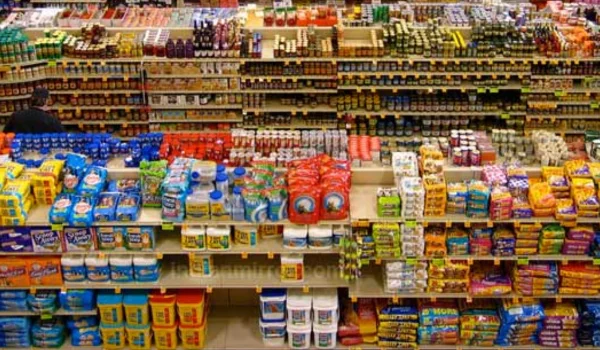
India’s grocery market is one of the largest in the world. Daily essentials always remain in demand, which makes kirana business relatively stable compared to seasonal businesses.
Main Reasons Behind High Demand
- Grocery products are essential items
- Repeat customers generate regular income
- Low-risk business model
- Can start with small investment
- Growing population increases demand
- Online delivery integration is now possible
Key Features and Benefits of Kirana Store Business
Advantages of Starting a Kirana Store
- Daily cash flow business
- High repeat customer rate
- Suitable for small towns and cities
- Easy to understand business model
- Can run with family support
- Flexible investment options
- Opportunity to expand into mini supermarket
Additional Benefits in 2026
- UPI payment adoption has increased sales convenience
- Online grocery delivery tie-ups are growing
- Digital inventory apps simplify management
- Hyperlocal delivery demand is increasing
Types of Kirana Stores in India
| Type of Store | Investment | Suitable Area |
| Small Local Kirana Shop | ₹50,000–₹2 lakh | Villages & small colonies |
| Medium Grocery Store | ₹2 lakh–₹8 lakh | Residential areas |
| Mini Supermarket | ₹5 lakh–₹20 lakh | Urban locations |
| Online + Offline Grocery Store | ₹3 lakh+ | Tier 1 & Tier 2 cities |
Step-by-Step Guide to Start a Kirana Store Business
Step 1: Choose the Right Location
Location is one of the biggest success factors.
Best Locations
- Residential colonies
- Near apartments
- Village markets
- Areas with less grocery competition
- Near schools or offices
Avoid
- Places with too many supermarkets nearby
- High-rent locations with low footfall
Step 2: Decide Your Store Size
| Store Size | Recommended Area |
| Small Shop | 100–200 sq. ft. |
| Medium Shop | 300–700 sq. ft. |
| Mini Supermarket | 1000+ sq. ft. |
Start small if your budget is limited.
Step 3: Arrange Initial Inventory
Focus first on fast-selling items.
Essential Products to Stock
- Wheat flour
- Rice
- Pulses
- Cooking oil
- Tea and sugar
- Biscuits and snacks
- Soaps and detergents
- Milk and bread
Do not overstock expensive or slow-moving products initially.
Step 4: Purchase Furniture and Equipment
Basic Setup Items
| Item | Estimated Cost |
| Shelves & racks | ₹15,000–₹80,000 |
| Counter table | ₹5,000–₹20,000 |
| Weighing machine | ₹2,000–₹8,000 |
| Refrigerator | ₹10,000–₹30,000 |
| Billing machine/POS | ₹8,000–₹25,000 |
Step 5: Register Your Business
Small kirana stores can start simply, but proper registration helps in expansion and wholesale purchasing.
Step 6: Start Digital Payments
Accept:
- UPI
- QR payments
- Debit cards
- Wallet payments
Digital payment convenience improves customer trust.
Step 7: Promote Your Store Locally
Simple Marketing Ideas
- WhatsApp offers
- Home delivery service
- Festival discounts
- Loyalty rewards
- Free delivery for nearby customers
Investment Required to Start a Kirana Store
Small Kirana Store Setup Cost
| Expense | Estimated Cost |
| Shop Rent Deposit | ₹20,000–₹1 lakh |
| Interior Setup | ₹20,000–₹80,000 |
| Initial Stock | ₹50,000–₹3 lakh |
| License & Registration | ₹2,000–₹10,000 |
| Billing Setup | ₹5,000–₹20,000 |
| Miscellaneous | ₹10,000–₹30,000 |
Total Estimated Investment
- Small Shop: ₹1 lakh–₹3 lakh
- Medium Shop: ₹3 lakh–₹10 lakh
- Mini Supermarket: ₹10 lakh+
Kirana Store Profit Margin in India
Profit depends on:
- Product category
- Customer volume
- Store location
- Inventory management
Average Profit Margins
| Product Category | Profit Margin |
| Packaged Foods | 8%–15% |
| Personal Care Products | 15%–30% |
| Dairy Products | 5%–10% |
| Snacks & Beverages | 10%–25% |
| Household Items | 10%–20% |
Monthly Profit Example
| Store Type | Monthly Revenue | Approx Profit |
| Small Kirana Store | ₹1 lakh–₹3 lakh | ₹20,000–₹50,000 |
| Medium Grocery Store | ₹5 lakh–₹10 lakh | ₹60,000–₹2 lakh |
| Mini Supermarket | ₹15 lakh+ | ₹2 lakh+ |
Who Should Start a Kirana Store Business?
This business is ideal for:
- Small-town entrepreneurs
- Families looking for stable income
- Retail beginners
- Retired professionals
- People with owned shop space
- Individuals wanting daily cash flow business
Best Wholesale Options in India
Popular Wholesale Sources
- Local wholesale mandi
- FMCG distributors
- Cash & carry stores
- Online B2B platforms
Popular B2B Platforms
- JioMart Partner
- IndiaMART
- Udaan
Pros and Cons of Kirana Store Business
Pros
- Consistent customer demand
- Daily income generation
- Easy business model
- Can expand gradually
- High trust in local communities
- Suitable for all city tiers
Cons
- Profit margins can be limited
- Requires inventory management
- Long working hours
- Competition from supermarkets and delivery apps
- Stock wastage risk
Common Mistakes to Avoid
Overstocking Slow Products
Many beginners purchase too much inventory initially.
Ignoring Customer Relationships
Regular customers are the backbone of kirana business.
Poor Inventory Tracking
Expired or damaged products can reduce profits.
Not Using Digital Payments
Customers now expect UPI and QR payment options.
Poor Shop Cleanliness
Clean stores attract more repeat customers.
Expert Tips to Increase Kirana Store Profit
Focus on Fast-Moving Products
Track daily-selling items carefully.
Offer Home Delivery
Even small stores can compete using local delivery.
Build Customer Trust
Good behavior increases repeat business.
Use Inventory Management Apps
Simple apps help reduce losses and improve stock tracking.
Add High-Margin Products
Products like cosmetics, snacks, and gift items often give better profits.
Latest Kirana Store Trends in India (2026)
Smart Kirana Stores
Many stores now use:
- Barcode billing
- Inventory apps
- Digital accounting
Hyperlocal Delivery Growth
Customers increasingly prefer 15–30 minute local delivery.
Online + Offline Hybrid Model
Kirana stores are joining delivery platforms for extra sales.
UPI and QR Payments Everywhere
Digital payment adoption is now almost mandatory.
Demand for Organic and Healthy Products
Customers are spending more on healthy grocery options.
Comparison: Kirana Store vs Supermarket
| Feature | Kirana Store | Supermarket |
| Investment | Low to Medium | High |
| Space Requirement | Small | Large |
| Customer Relationship | Personal | Limited |
| Setup Complexity | Easy | Moderate to High |
| Profit Potential | Stable | Higher at scale |
FAQs
Q: Is kirana store business profitable in India?
A: Yes, kirana stores remain profitable because grocery products are daily essentials with regular customer demand.
Q: How much investment is needed to start a kirana store?
A: A small kirana shop can start with approximately ₹1 lakh–₹3 lakh depending on location and inventory size.
Q: What is the average profit margin in kirana business?
A: Average profit margins usually range between 10%–25% depending on products and sales volume.
Q: Is GST required for kirana stores?
A: GST registration depends on annual turnover and business structure. Small stores may initially operate without GST if below the applicable threshold.
Q: Can I start a kirana store from home?
A: Yes, many people successfully run small grocery stores from home in residential areas.
Q: Which products give highest profit in kirana stores?
A: Personal care products, snacks, cosmetics, and packaged foods often provide better profit margins.
Q: Can kirana stores compete with online grocery apps?
A: Yes. Fast local delivery, personal relationships, and credit facilities still give kirana stores a strong advantage.
Conclusion
The kirana store business continues to be one of the most reliable and practical small business ideas in India. Even in 2026, local grocery stores play a major role in daily Indian life because people value convenience, trust, and nearby availability.
You do not need a massive investment to begin. Starting with a small setup, choosing the right location, maintaining good customer relationships, and managing inventory smartly can help build a profitable grocery business over time.
If you are looking for a stable business with regular income and long-term growth potential, a kirana store can still be a strong opportunity in India’s growing retail market.