
The conversation about employee retention has shifted considerably over the past few years, and one of the clearest findings from that shift is that recognition is not a soft benefit that sits alongside the real drivers of retention. It is one of those real drivers. Organizations that have tracked their retention data carefully have found that the quality of recognition, specifically how seen and valued employees feel in their day-to-day experience of the organization, predicts attrition at a level that is comparable to compensation and career development. This finding has changed how some organizations prioritize the design of their recognition infrastructure, and it has created a clearer business case for investing in programs that go beyond the traditional annual award ceremony.
What the future of corporate recognition looks like is not a single model. Different organizations have different cultures, structures, and workforce compositions that determine what recognition means in their specific context. But several directions have emerged from organizations that have redesigned their recognition programs in recent years and seen measurable results, and these directions point toward some consistent principles worth understanding.
Recognition That Travels Across the Employee Journey
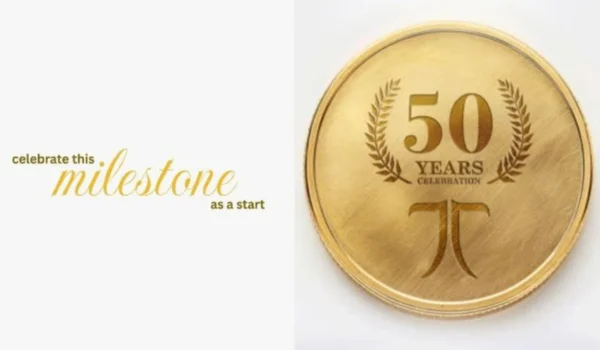
One of the design failures in many traditional recognition programs is that they are event-based rather than journey-based. They acknowledge moments, an anniversary, a project completion, a performance review cycle, but they do not create a thread of recognition that runs through an employee’s experience of the organization across their full tenure. An employee who feels recognized at their three-year anniversary and then not again for another two years has a different relationship with the organization than one whose contributions are acknowledged regularly at different scales across the same period.
The shift toward journey-based recognition involves thinking about what moments across an employee’s tenure deserve acknowledgment, from onboarding milestones through to long-service recognition, and designing a program that addresses each of those moments with an appropriate form and weight of acknowledgment. This is a more complex design brief than a single annual award program, but it produces a recognition experience that employees describe very differently from organizations where recognition is only tied to specific calendar events.
Titan Corporate Gifting has developed its product range with this journey-based thinking as a reference point, which is why the offering spans everything from smaller appreciation gifts suited to regular recognition moments through to significant awards for long tenure milestones. Understanding how this range maps to different points in an employee journey is worth exploring through this overview of corporate recognition programs, which covers how milestone moments can be structured across different organizational contexts and what gift choices work best at each stage.
What Employees Are Actually Responding To in 2026
The workforce in 2026 includes a wide age range, from employees who have been with an organization for decades through to those in the early years of their careers, and the recognition formats that resonate across that range are not identical. Younger employees tend to respond more to recognition that is visible, immediate, and peer-acknowledged rather than only top-down. Longer-tenured employees often value recognition that is substantive, personal, and proportionate to the years of contribution they represent. A recognition program that accounts for both of these requires some flexibility in format rather than a single approach applied uniformly.
The physical versus digital dimension of recognition gifts is another area where workforce composition affects what works. A physical gift of quality, something a person can hold, keep, and associate with the acknowledgment over time, tends to carry more emotional weight than a digital reward for many employees, particularly at significant milestones. A digital format offers flexibility and immediacy that suits certain reward types and certain workforce contexts better. The most effective programs tend to use both, applying the format that best fits the occasion rather than defaulting to one approach for all situations.
For milestone recognition specifically, the question of what form the acknowledgment takes is particularly important because the occasion carries more weight than a routine appreciation moment does. The milestone rewards range available through Titan Corporate Gifting is structured to address this with product options that reflect the significance of long-service and career achievement milestones rather than treating them the same as everyday recognition occasions.
The organizations that build recognition programs with genuine staying power are the ones that treat it as a design challenge rather than a compliance requirement. A program designed around what employees actually experience when they are acknowledged, rather than around what is convenient for the organization to administer, produces outcomes that justify the investment in a way that a generic, calendar-driven program rarely does.